

Data as of 2026-11-16 Coverage window: 2026-09-12 – 2026-11-16
This issue: From 106 to 147 — ZSvirt keeps connecting with more users around the world.
Since Issue #1, ZSvirt has drawn more attention around the world. GitHub stars have passed 2,000, and the project now covers 147 countries and regions, up from 106.
Over the past two months we kept improving the product and the experience, expanded download channels, and saw more independent reviews, technical write-ups, and hands-on content from users worldwide. Meanwhile, the second edition of ZSvirt Storytellers drew nine creators.
This is Issue #2 of ZSvirt Open Source Monthly. Let’s look back at the past two months — the new progress ZSvirt has made in product, global reach, and community activity. A preview of ZSvirt 1.2.0 comes at the end.
01 — Product & Ecosystem
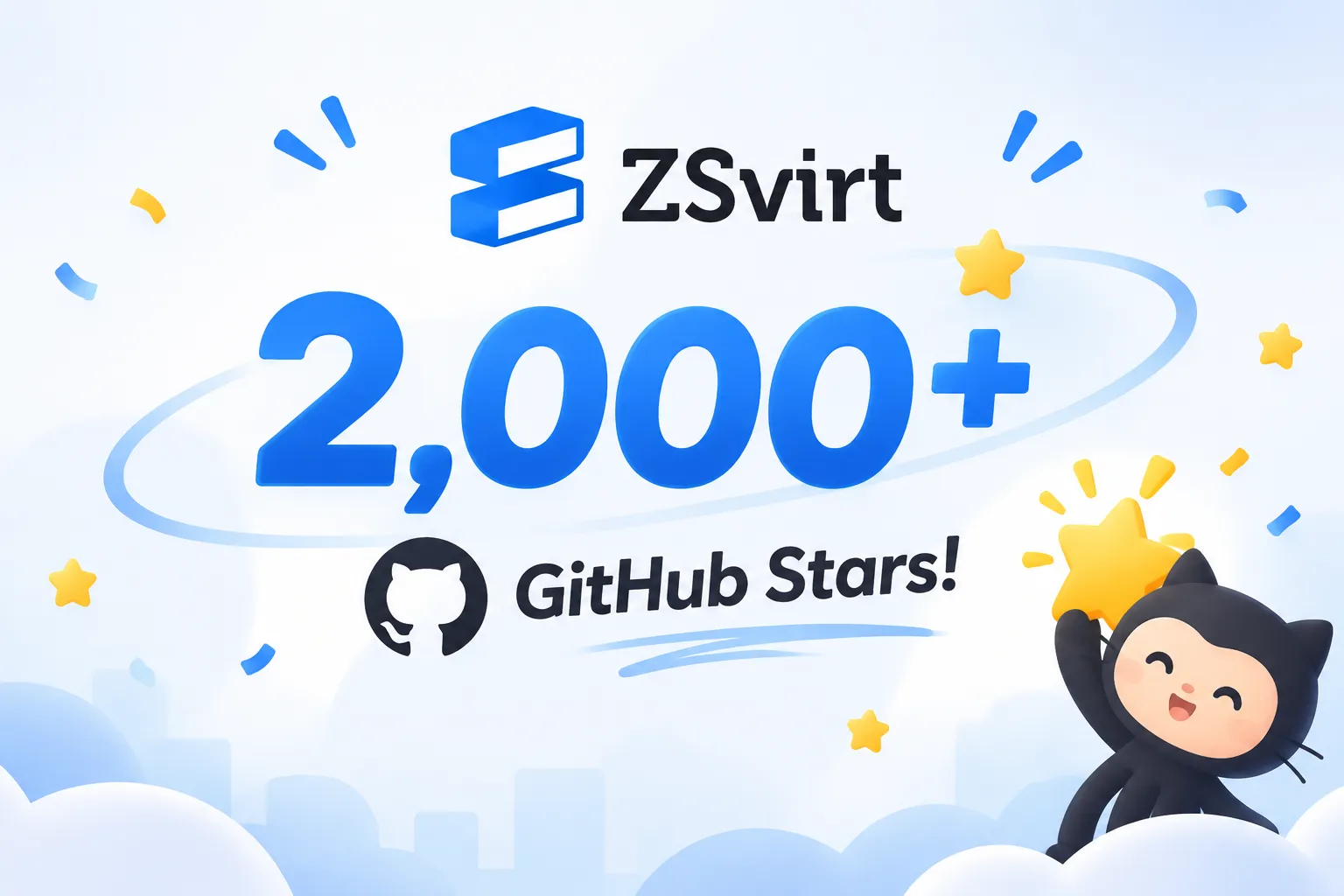
GitHub Stars Top 2,000!
On October 22, 2026, the ZSvirt GitHub repository passed 2,000 stars!
Thank you to virtualization users and technology enthusiasts around the world, and to everyone who has followed ZSvirt, tried the product, and been willing to share.
ZSvirt Now Covers 147 Countries and Regions
From the 106 countries and regions counted in Issue #1 to 147 this time, ZSvirt is being discovered and followed by more users around the world.
Every newly added region means more users are starting to learn about open-source virtualization — and gives us a chance to hear from environments and use cases we haven’t seen before.
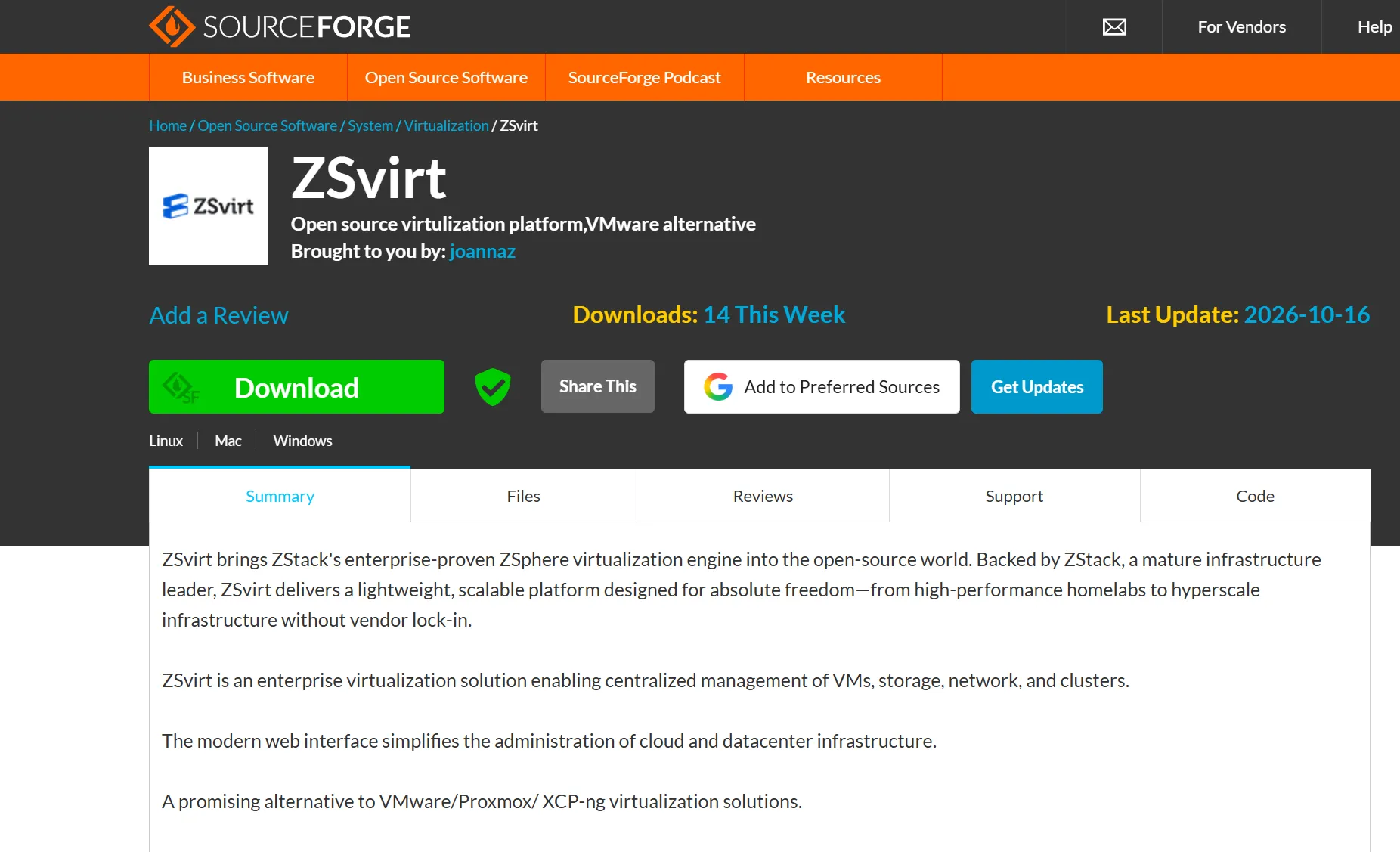
New Download Channel: SourceForge
To make ZSvirt easier to find and obtain, the project is now available on ZSvirt on SourceForge, adding another option alongside our existing download channels.
Installers on each channel are expected to be updated together with the next release; please refer to the version information published on each channel’s page.
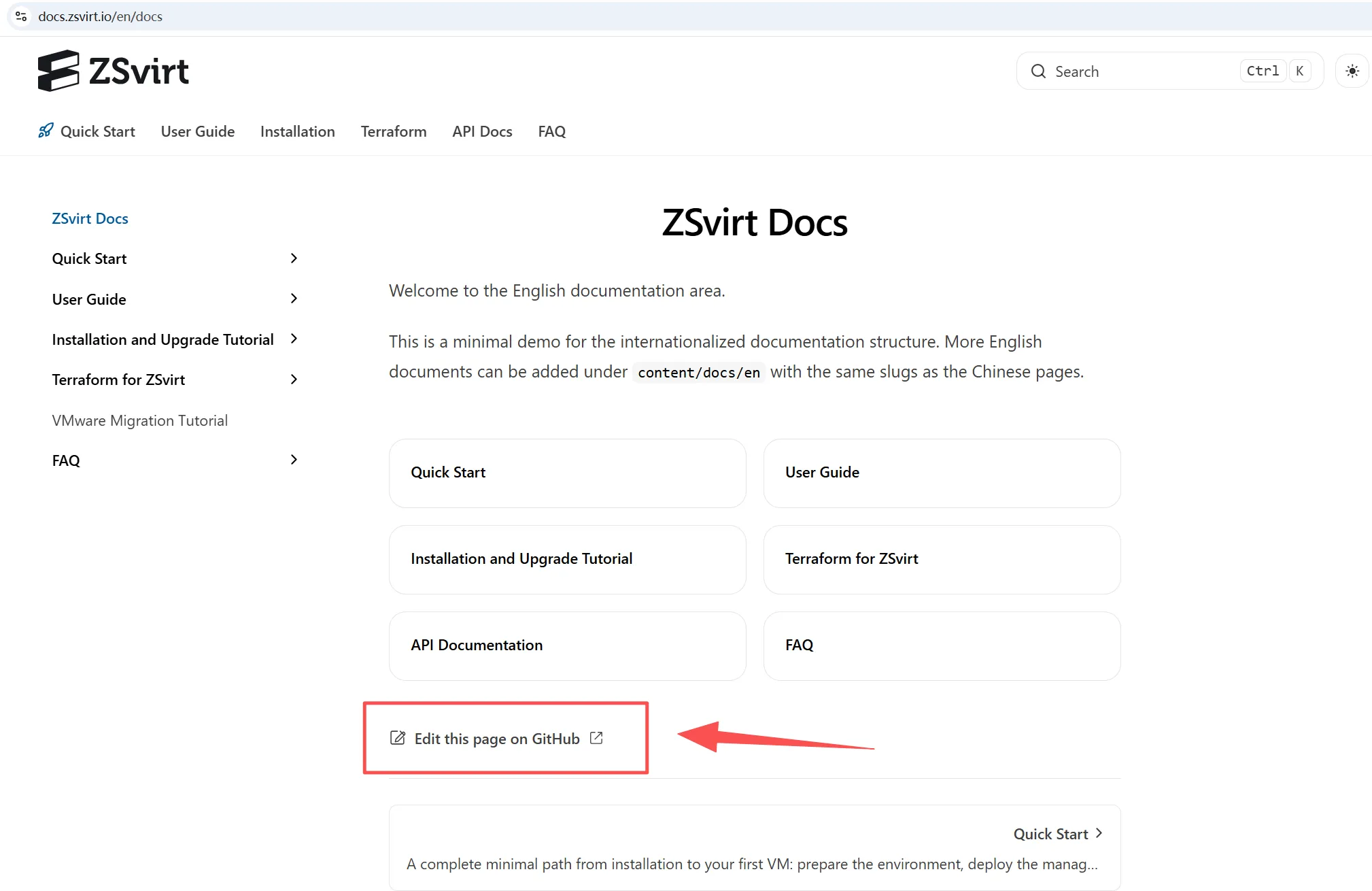
ZSvirt Docs Site Is Now Open Source
The ZSvirt documentation site is now open source. Contributions and fixes are welcome — join us in building the ZSvirt docs!
GitHub repository: https://github.com/ZSvirt/zsvirt-docs-site
02 — Official Content
Over this period we continued to publish official technical articles and practical guides on ZSvirt’s features, platform selection, and real-world use, helping users understand the product and answering common questions about deployment, migration, and day-to-day use.
Best Practices
- ★ ZSvirt vs Proxmox VE 9: A 2026 Comparison — A side-by-side look at daily operations, cluster scale, resource scheduling, and VMware migration, helping you weigh what each open-source virtualization platform offers and where it fits.

- 10 Reasons You Must Install ZSvirt VMTools — From runtime monitoring and snapshot backups to recovering from network failures, ten reasons to install VMTools, and what fuller manageability looks like.
- ZSvirt FAQ (Part 1): 10 Questions on Deployment, GPU, Networking, and Storage — The first part of our FAQ series, covering installation and deployment, Windows 11, GPU passthrough, ARM support, and networking and storage configuration.
- ZSvirt FAQ (Part 2): 10 Questions on Migration, Backup, APIs, Community, and Licensing — The second part, covering VMware migration, backup and recovery, APIs and SDKs, community support, and the scope of the open-source edition.
★ marks this month’s editors’ pick.
Official Videos
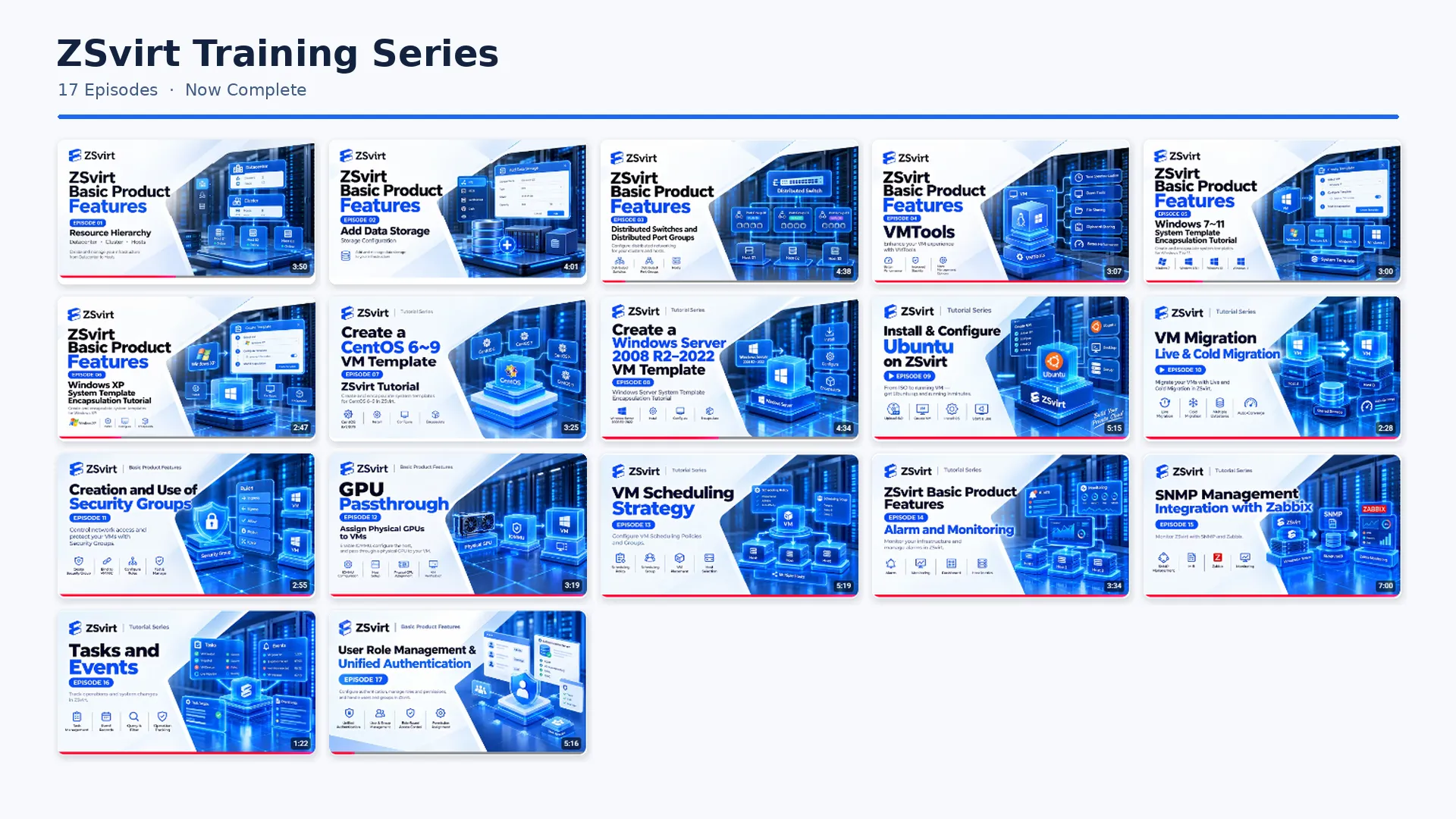
The ZSvirt Training Series is now complete, with 17 episodes covering the basics of the product, installation and configuration, VM management, storage and networking, GPU passthrough, VMware migration, monitoring and alerts, and security groups. Through step-by-step explanations and hands-on demonstrations, the series takes viewers from a first look at ZSvirt to deploying and operating it on their own. Whether you are new to the platform or a technical user who wants a deeper understanding of its features, this series is a quick way to get up to speed.
Watch the series on YouTube: https://www.youtube.com/watch?v=CbwtRmGVcns&list=PLVy7qVKrFb8A
03 — Voices from Around the World
Beyond our own content, we follow what independent technical blogs, reviews, and third-party videos say about ZSvirt. This issue highlights several pieces from creators around the world.
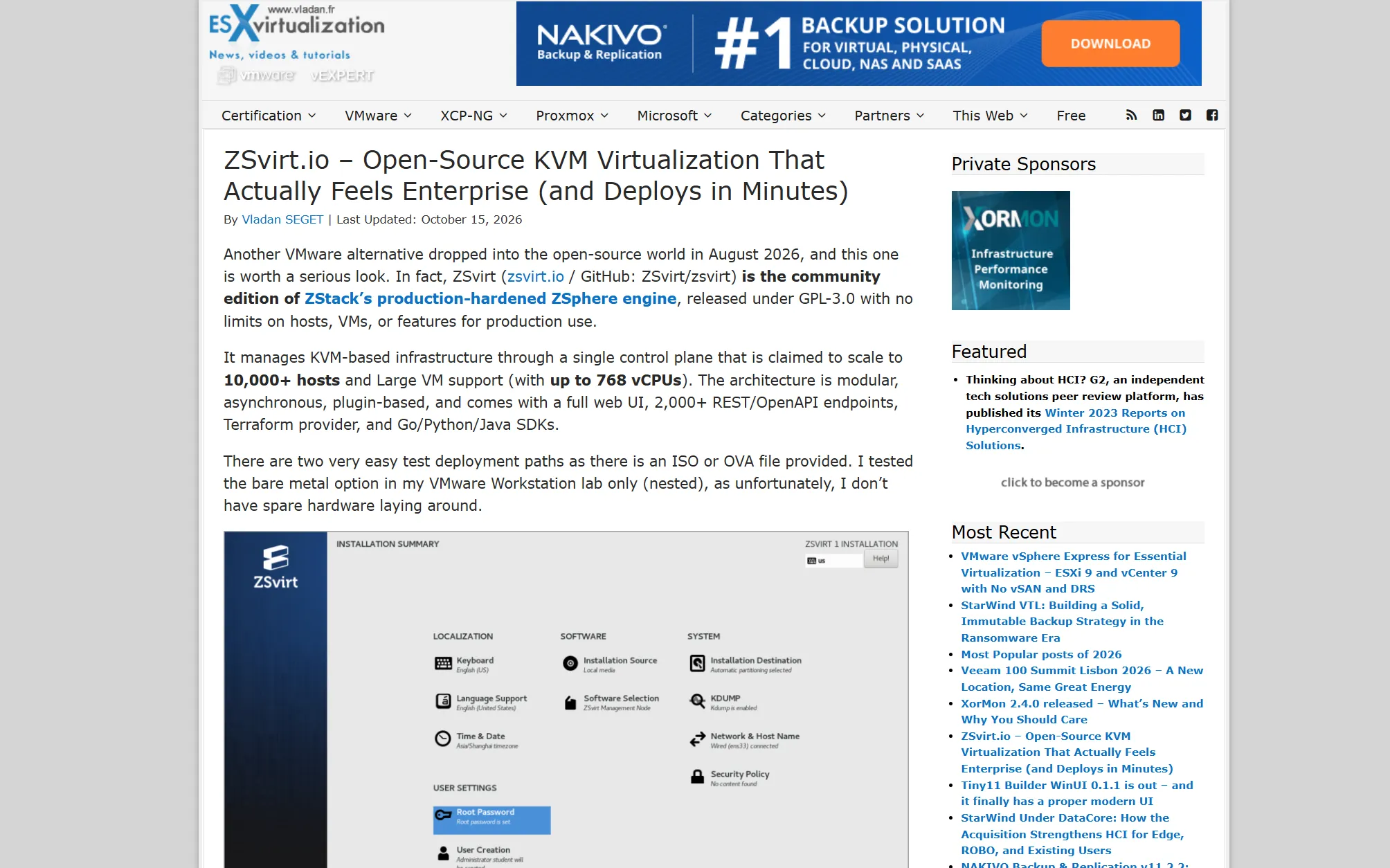
Vladan Seget: Installing and Exploring ZSvirt in a Nested Virtualization Lab
The article documents the author’s process of installing and exploring ZSvirt inside a nested VMware Workstation lab, covering the initial installation and the configuration of resources such as datacenters, clusters, and hosts.
About the Author
Vladan Seget is the author and operator behind ESX Virtualization, a well-known virtualization blog. He brings more than 20 years of experience in VMware and Microsoft virtualization and IT management, holds VCP-DCV, VCAP-DCD, and VCAP-DCA certifications, has been named a VMware vExpert 17 times, and is a Veeam Vanguard.

In the Author’s Words
“The platform looks and feels robust, very fast, with UI very polished (I like it more than Proxmox UI tbh).”
“Veeam backup components can be deployed and upgraded independently… VMware VMs backed by Veeam can also be restored to ZSvirt for platform migration and disaster recovery.”
“Teams that want a vSphere-like operational model… without the pricey license tax… Shops planning a controlled VMware exit and who value an agentless migration path.”
Original article: ZSvirt.io – Open-Source KVM Virtualization That Actually Feels Enterprise (and Deploys in Minutes)
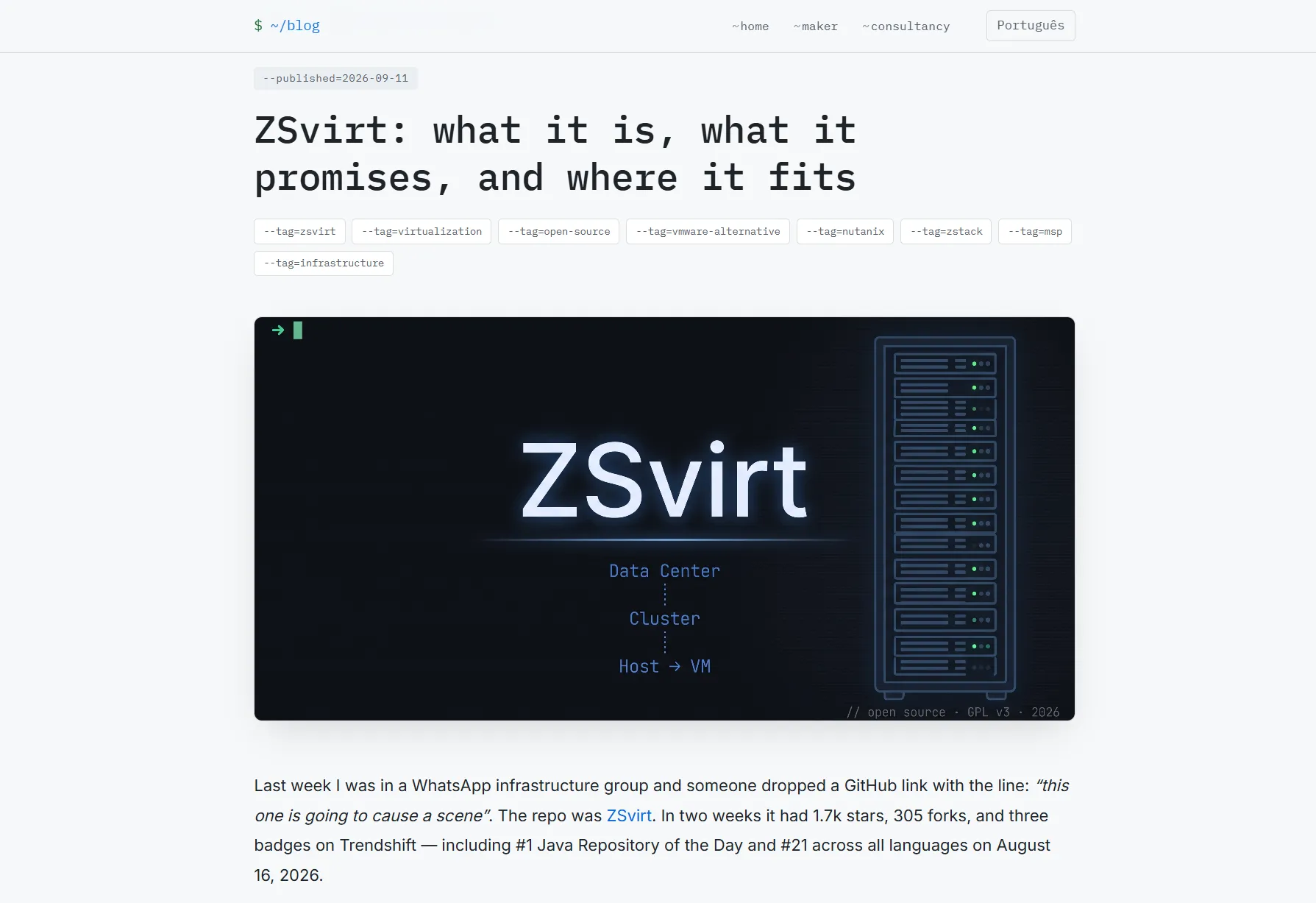
Alexandre Ponce: ZSvirt Through an Infrastructure Lens
The article discusses ZSvirt’s positioning and potential use cases from an IT infrastructure perspective, placing it in the market context of platforms such as VMware, Proxmox VE, and Nutanix.
About the Author
Alexandre Ponce is a Brazilian virtualization specialist, a Proxmox expert, and an enthusiastic practitioner of open-source infrastructure.

In the Author’s Words
“Proxmox is building your own PC by choosing every component. Nutanix is buying a MacBook Pro — it works, it’s beautiful, but you pay for the integration and you can’t swap the graphics card. ZSvirt is an enterprise workstation sold without dealer margin: the engineering is already done, tested in production, and you decide where it runs.”
“Enterprise-platform UX, no per-core license fee, no hardware lock-in, auditable code — that is what makes me see ZSvirt competing in a specific market segment. It is not a drop-in replacement for the more popular SMB alternatives.”
Original article: ZSvirt: what it is, what it promises, and where it fits
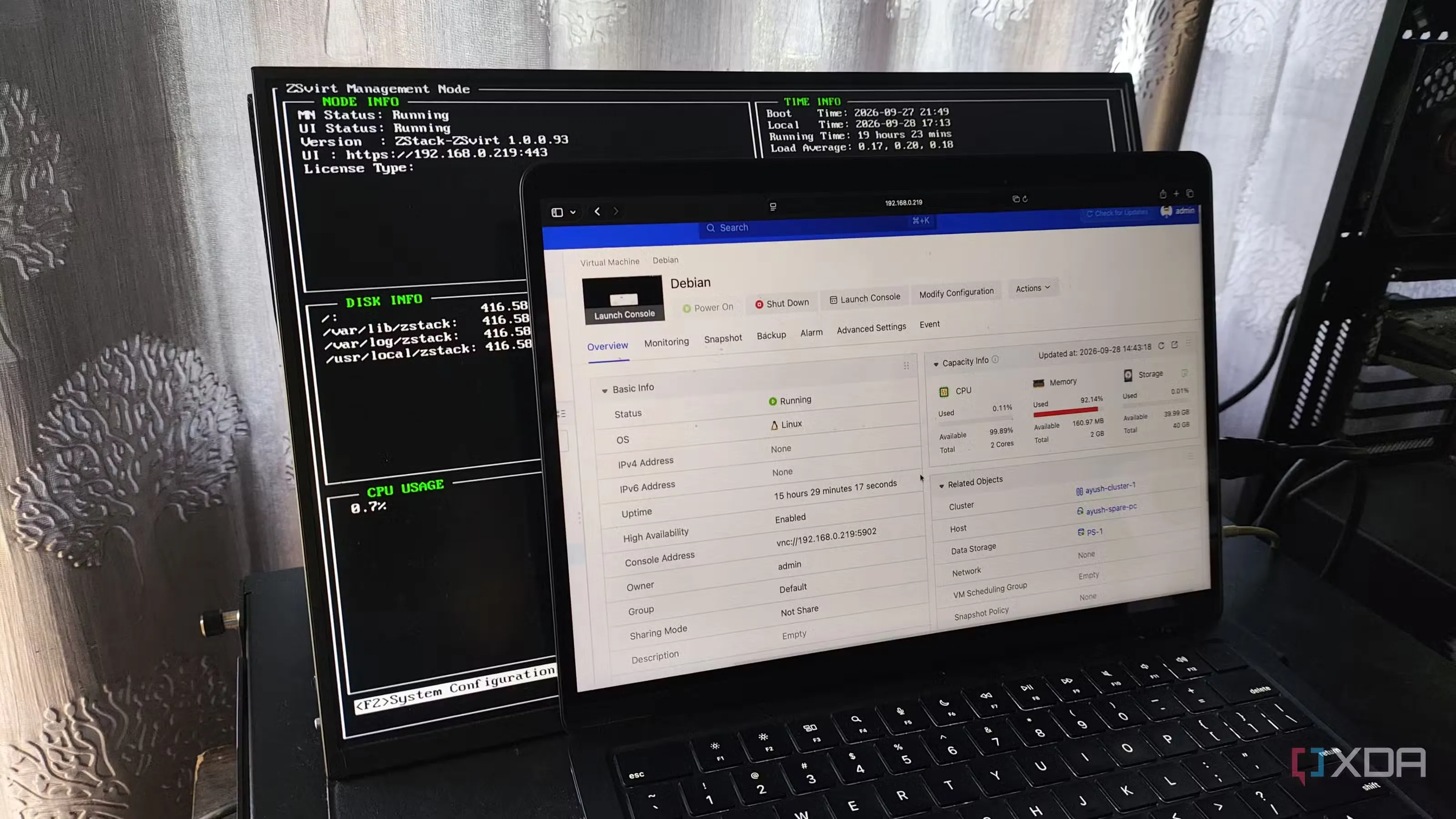
Ayush Pande: Trying ZSvirt as a Proxmox Alternative
Through hands-on testing, the author explores ZSvirt as an alternative to platforms such as Proxmox VE. For ZSvirt, it is more than a product introduction — it is media coverage that reaches homelab and virtualization users.
About the Author
Ayush Pande is a PC, home lab, and SBC writer at XDA.

In the Author’s Words
“Proxmox may be a familiar name in open-source virtualization, but it is not the only option worth considering. ZSvirt brings another enterprise-oriented approach to users looking for a capable alternative.”
“ZSvirt demonstrates that open-source virtualization doesn’t have to mean compromising on enterprise capabilities, offering users another way to build and manage their virtual infrastructure.”
“For users exploring alternatives to Proxmox or moving beyond traditional virtualization platforms, ZSvirt is an interesting project that deserves a closer look.”
Original article: I Tried Replacing Proxmox with ZSvirt, an Open-Source Virtualization Platform You May Not Know
04 — Community & Creators
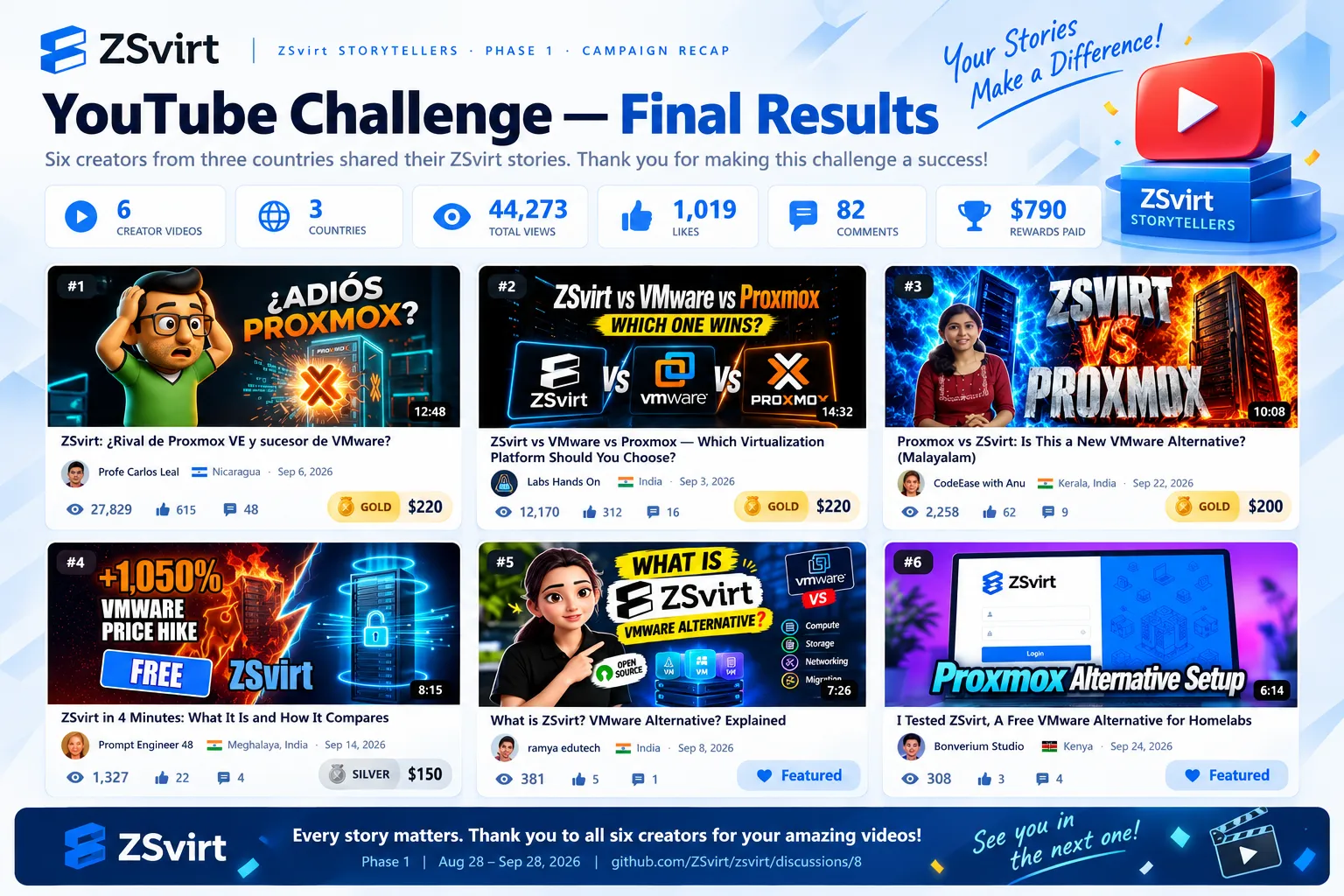
ZSvirt Storytellers — Phase 1 (Aug 28 – Sep 28)
Phase 1 of ZSvirt Storytellers drew six participants from countries including India, Nicaragua, and Kenya. Together they produced six original videos covering installation and deployment, virtual platform comparisons, VM migration, and snapshot recovery. Thank you to every participant — through real experience and technical sharing, you helped more users around the world discover ZSvirt and brought more practitioner perspectives into the open-source community.
ZSvirt Storytellers — Phase 2 (Oct 12 – Nov 12)
Phase 2 of ZSvirt Storytellers invited creators to share their hands-on process and experience around themes such as creating VMs, platform comparisons, and VMware migration.
Nine participants were selected this time, with topics including:
- VM creation: documenting the process of creating and using virtual machines in practice.
- Platform comparison: sharing comparisons and experiences with platforms such as VMware and Proxmox VE.
- VMware migration: sharing the migration process, methods, and real-world issues.

05 — Community Feedback & Technical Discussions
We continue to follow questions, issue reports, and feedback on GitHub, and to follow up on them. Every exchange helps us better understand real usage scenarios and provides valuable input for product improvement.
Community response this period:
| Metric | Data |
|---|---|
| Issues followed up | 36 |
| Community replies | 36 |
| Issues resolved | 33 |
06 — Website Comparison Page
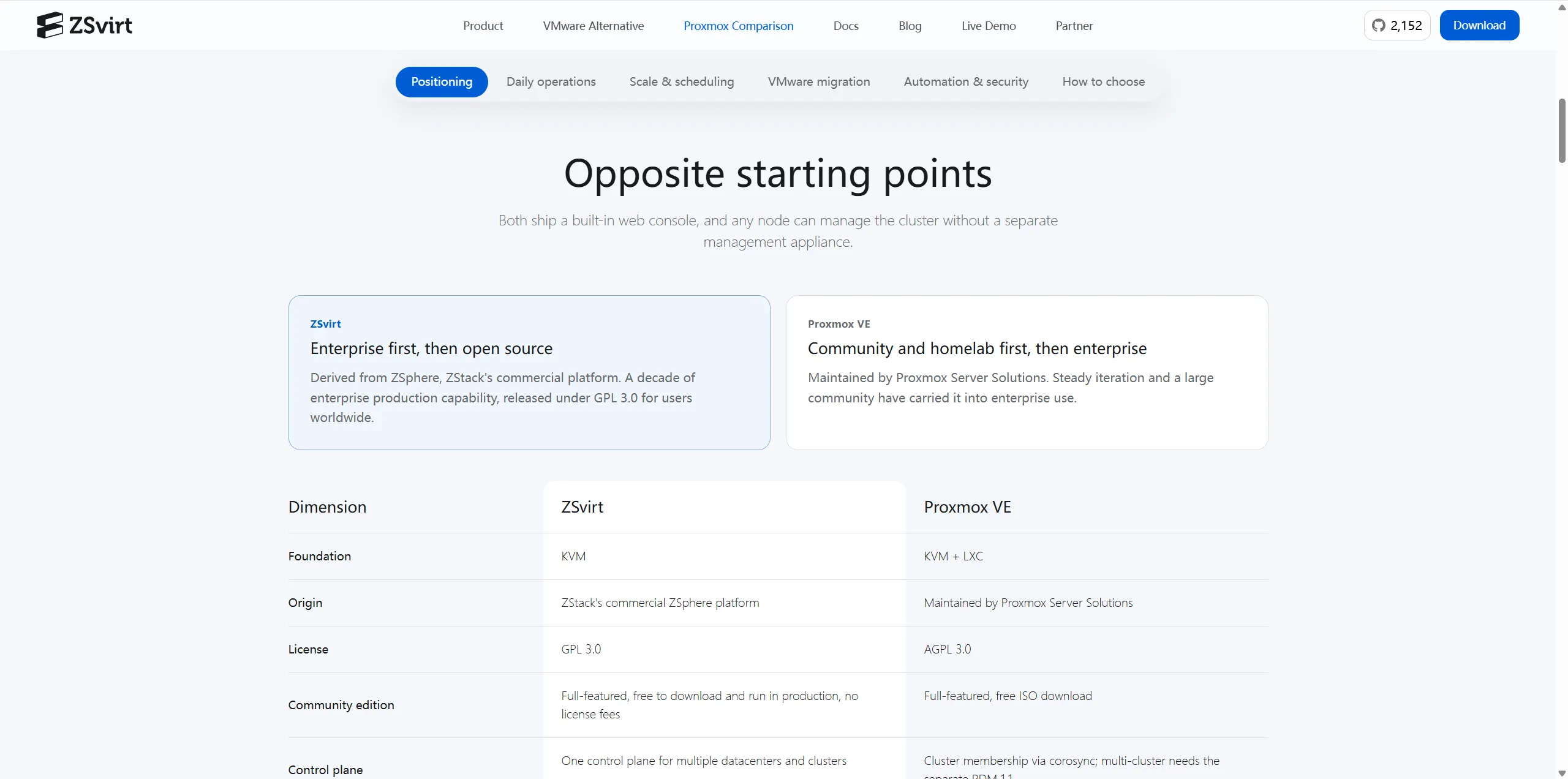
We added a ZSvirt vs Proxmox VE comparison page, helping users compare the two platforms in terms of virtualization capabilities and use cases, and providing a reference for solution evaluation and technology selection.
07 — Coming Soon: ZSvirt 1.2.0
With the new release of ZVF Enterprise, ZSvirt is about to enter another round of major updates.
ZSvirt 1.2.0 is expected to release before the end of 2026.
Focused on enterprise virtualization scenarios, this update will further strengthen the product, mainly around:
- Security: VM disk encryption and encrypted live-migration connections, strengthening data security at rest and in transit.
- Storage management: support for registering cloned storage replicas, making replica takeover and reuse more flexible.
- Monitoring and operations: new host, VM, and block-device metrics, with further improvements to alerting and log management.
- Migration and ecosystem integration: an optimized migration service, plus integration with third-party backup solutions such as Veeam and Commvault.
- User experience: an improved image and installer upload mechanism for faster and more reliable large-file transfers.
This is only part of what 1.2.0 will bring — more will be revealed at release.
08 — Join the Community
- Issue reports: GitHub Issues
- Community discussions: GitHub Discussions
- Social media:
- YouTube: https://youtube.com/@ZSvirt
- LinkedIn: https://www.linkedin.com/in/zsvirt-community/
- X/Twitter: https://x.com/ZSvirt
- Discord: https://discord.gg/KHsw63z9xA
- Email: community@zsvirt.io